Choosing A Drum Practice Pad
Quite a selection is available when it comes time to decide on a drum practice pad or complete set. Prices can be very cheap for basic rubber versions to fairly pricey for the high tech digital models. Always try to test the ones available at your local music store.
Classic Rubber Type
A high quality drum practice pad should give to varying degrees. The response of YOUR snare drum tuning is a good example to judge for personal use. Drummers have differing opinions of how a snare head should respond on an actual drum. Likewise opinions on the "feel" of practice pads will vary.
How realistic and "drumhead like" the response is depends on the thickness and quality of the rubber, foam, drumhead, or any other material used for the playing surface.
This rubber based pad surface has been around for decades and is the most common. Be careful to try them out first because various pad models using rubber can feel different. My recommendation would be the most giving surface as possible with natural rebound at least close to a snare head. None will be exactly like a snare, but in my opinion, the less hard the better to protect the hand from injury.
Pre-Purchase Questions
• How natural and giving is the surface?
• Is the stick rebound fairly similar to a drumhead?
• Does easy portability matter?
• What diameter feels comfortable?
• Is a full set including the bass drum needed?
• Will a bulit-in metronome be required?
• Is mounting on a cymbal stand important?
• Will it be used on a snare stand (12"-14")?
• What is my budget?
Build Your Own!
Consider building a one-of-a-kind personal pad. For example, find a nice piece of finished solid wood like a round or square kitchen cutting board in a size you like. Find gum rubber or other material, cut it neatly to size and glue to the wood.
The rubber thickness makes a big difference in the feel.
The thicker the rubber, the softer the feel. Rubber or foam
on the base will help the pad stay in place on a hard surface.
A generic mouse pad or two glued together can make a portable pocket pad. You will need a hard surface to put it on. Use your imagination and build your own one-of-a-kind practice pad.
If you think about it, there's very few if any drum accessories
of this importance that you can make yourself - and save money in
the process! Good luck finding your perfect drum practice pad set-up.
Have fun practicing your rudiments on the practice pad that is just right
for YOU!
Drum Practice Pads - Photo Gallery
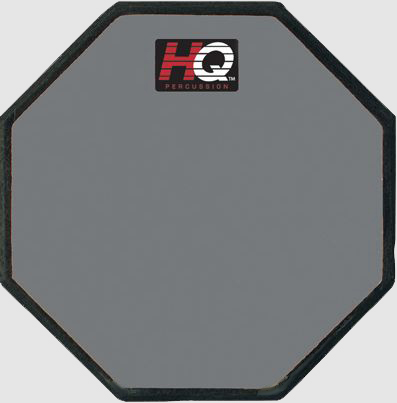
HQ Real Feel
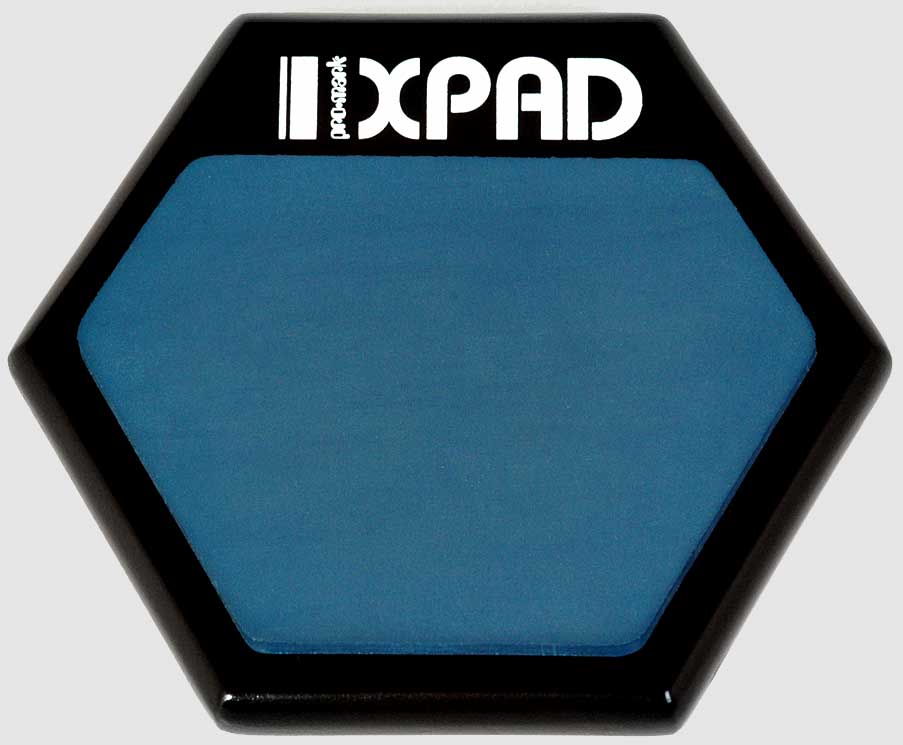
Promark X-Pad
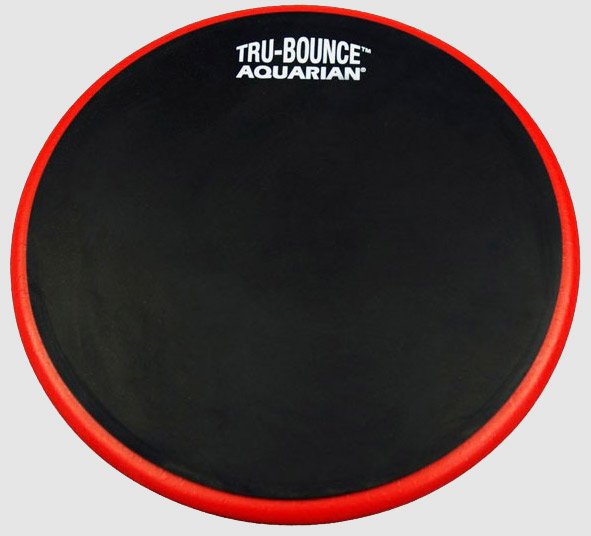
Aquarian Tru-Bounce
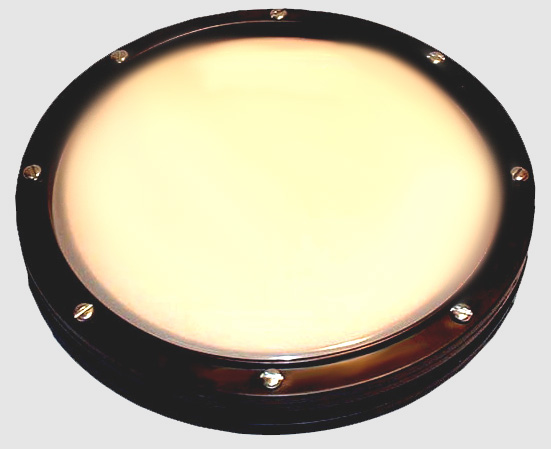
Regal Tip Double Sided
Drum Head & Rubber
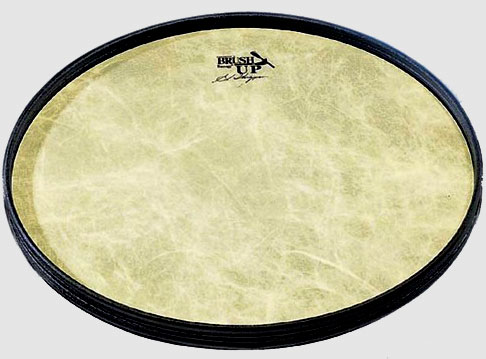
Remo Brush-Up - Designed For Brushes
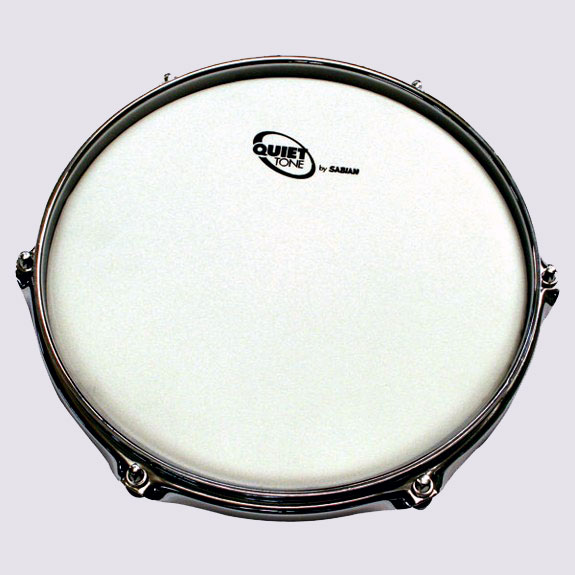
Sabian Quiet Tone
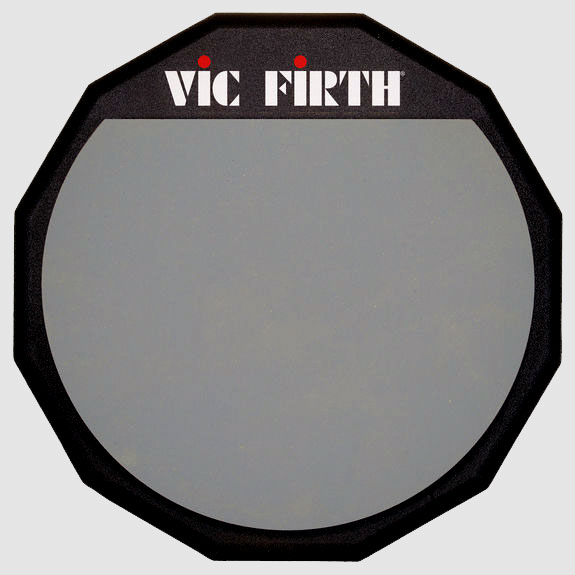
Vic Firth
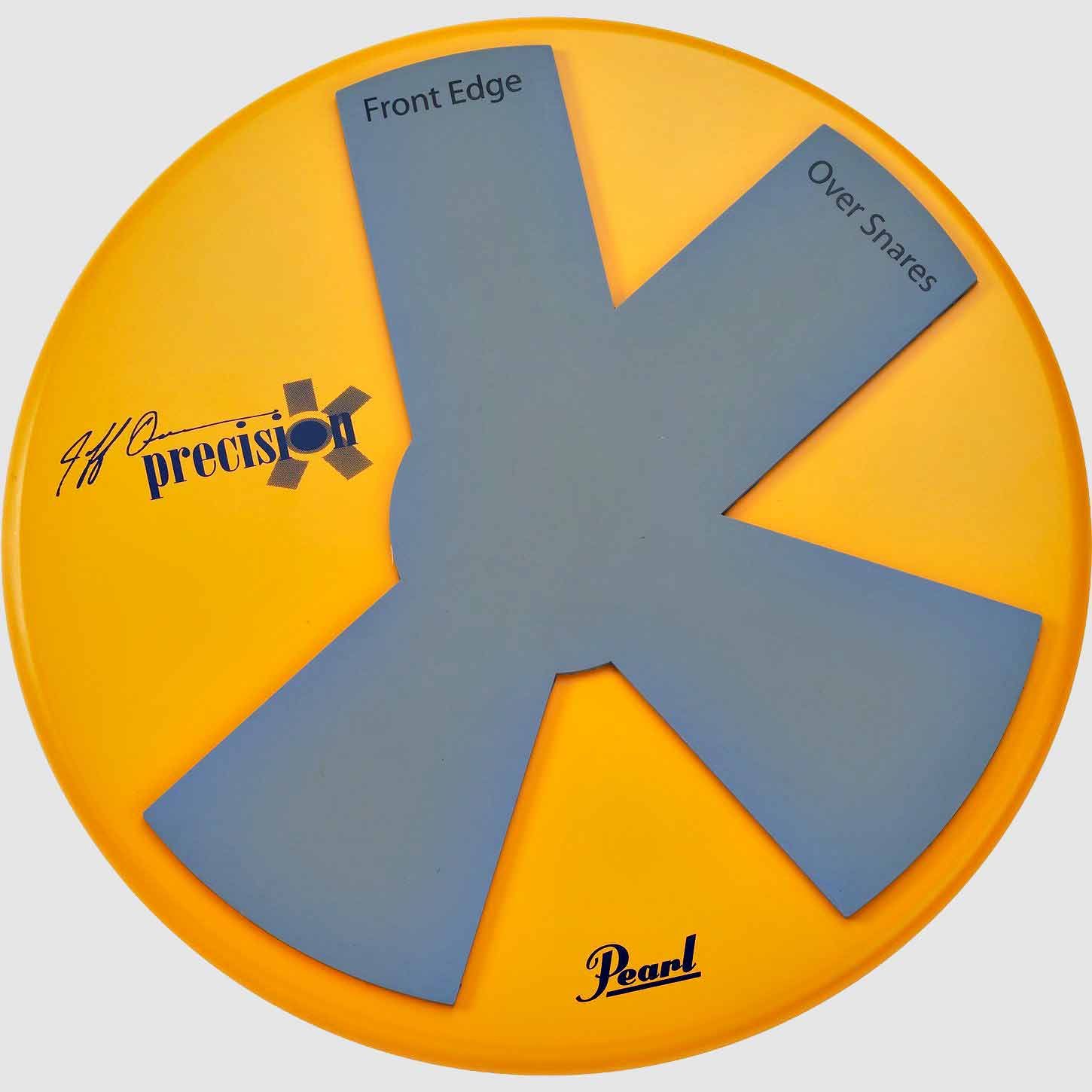
Pearl Jeff Queen Precision
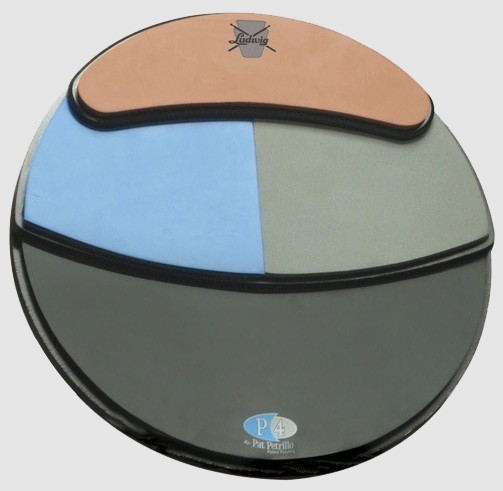
Ludwig Pat Petrillo
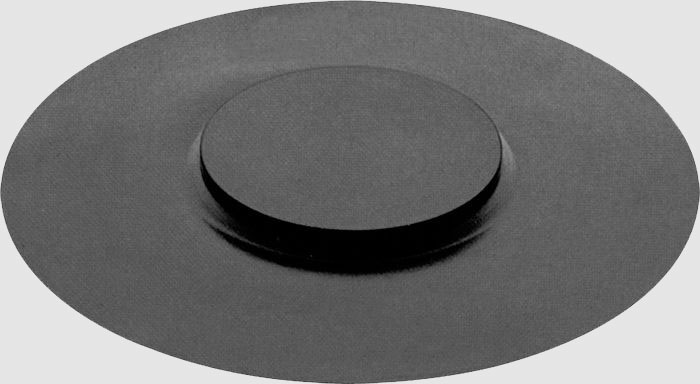
Gladstone Classic - 14"
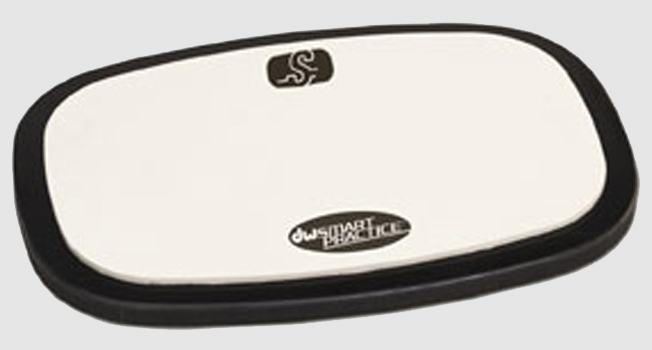
DW - Smart Pad
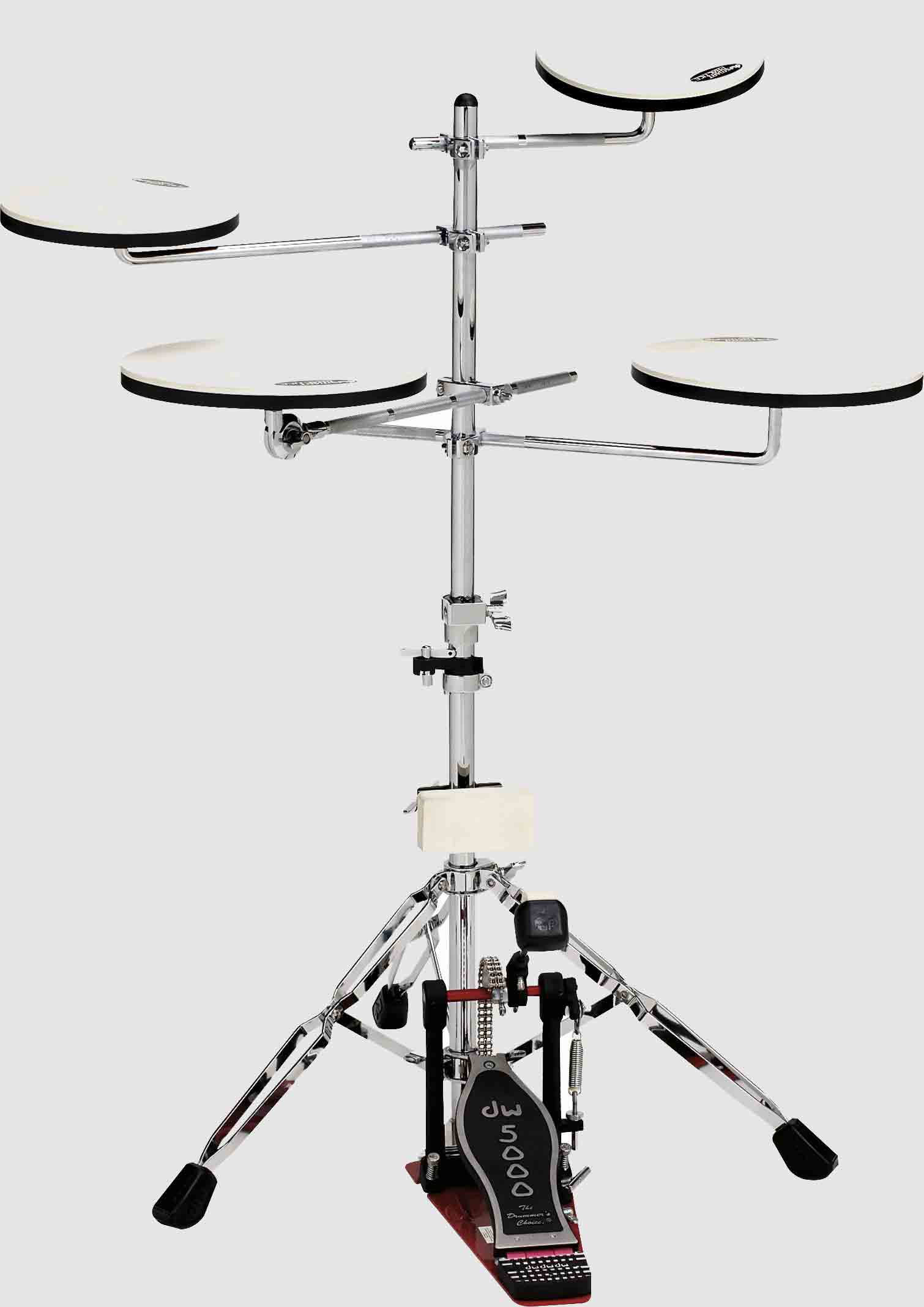
DW - Go Anywhere
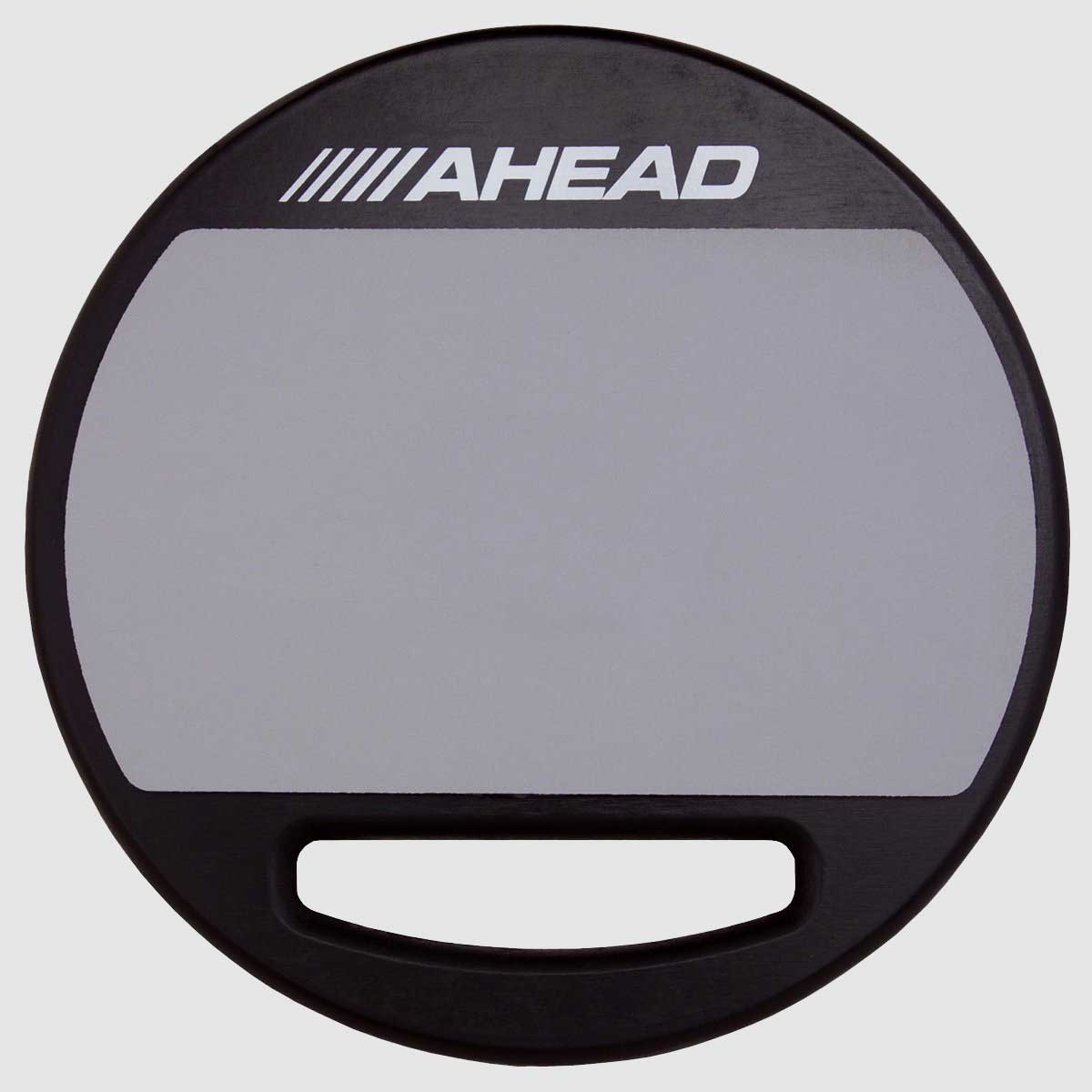
Ahead

Zildjian
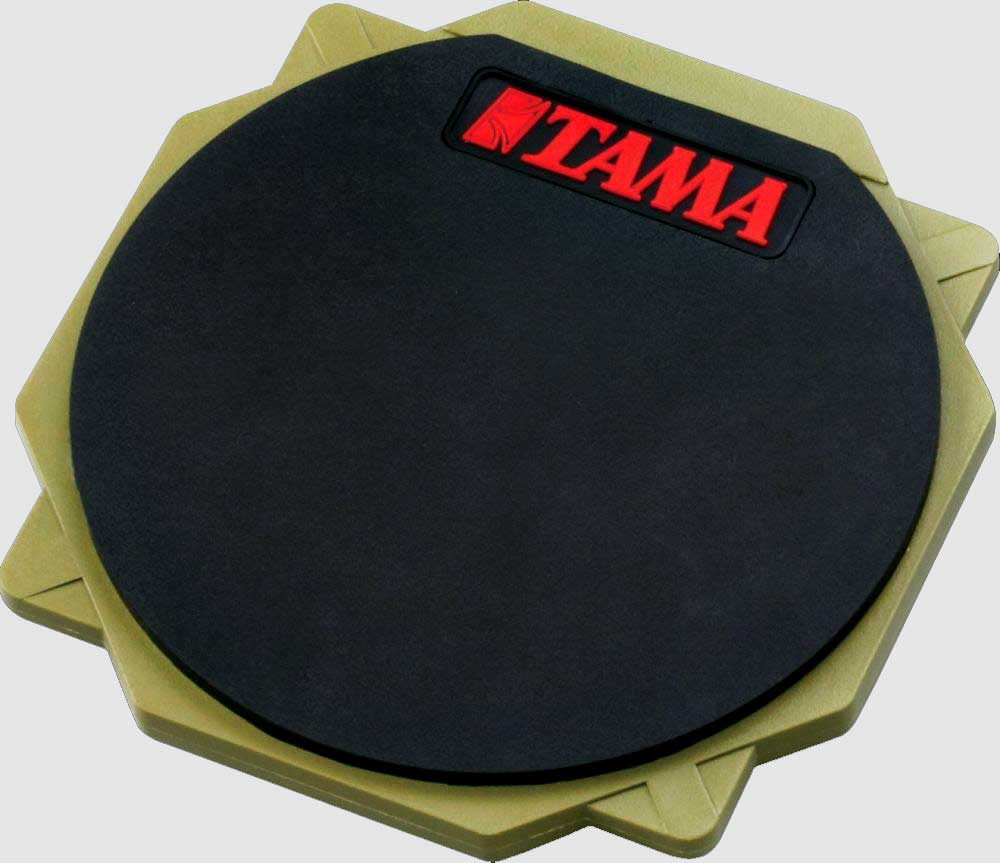
Tama
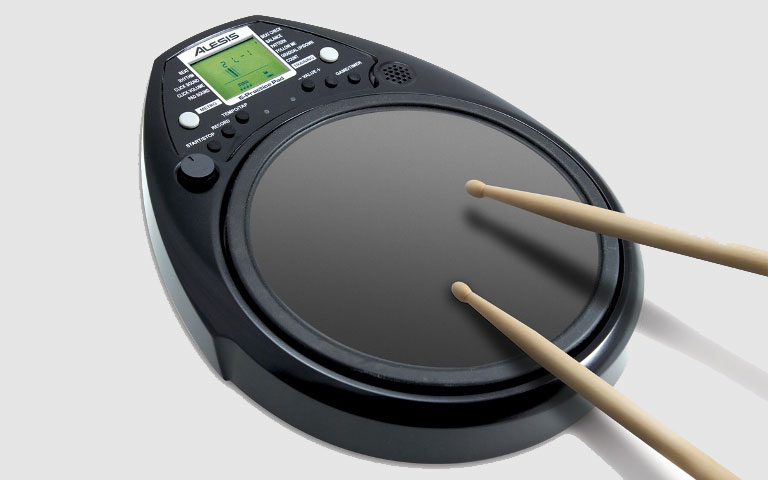
Alesis

Roland RMP-12
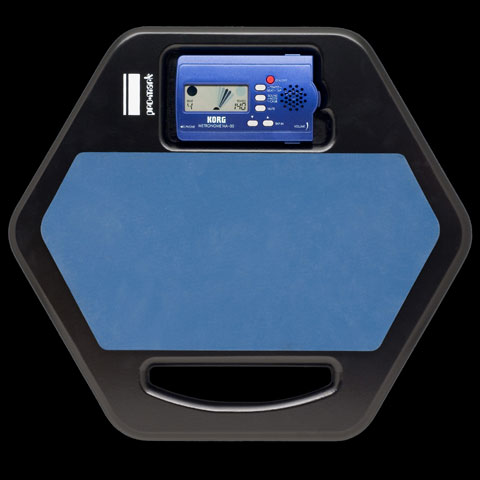
Promark PLM